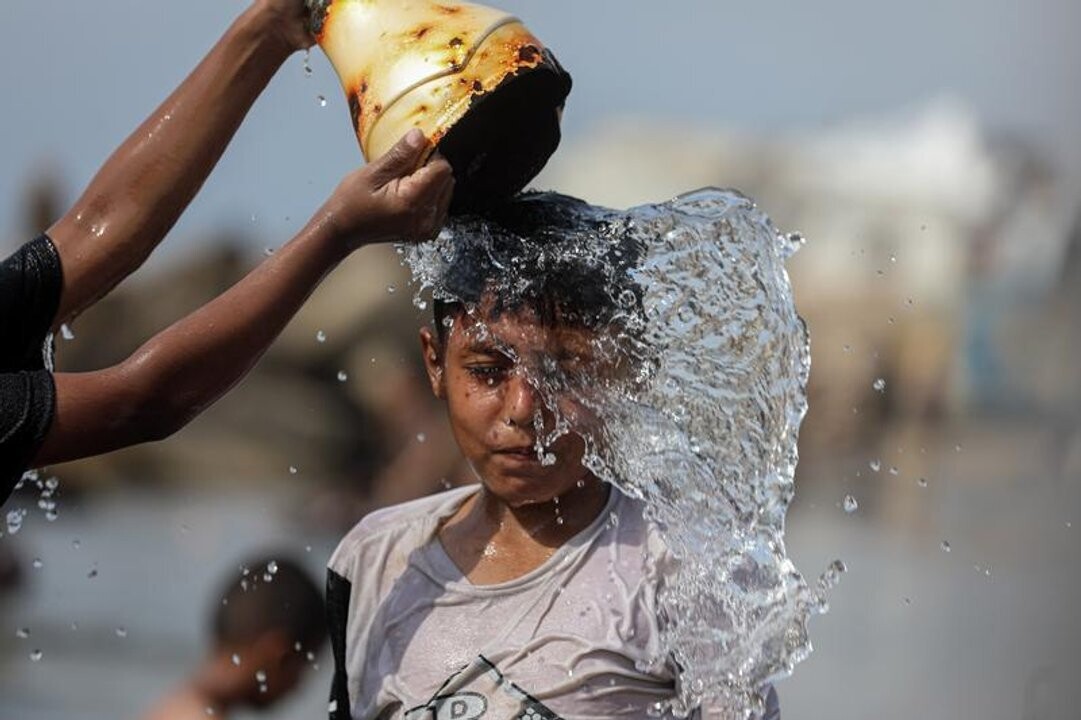
In 2024, the government of São Paulo state completed the privatization of Sabesp, which was once the largest public sanitation company in Latin America. The Secretary of Environment, Infrastructure, and Logistics, Natália Resende, warned that the scenario demands 'permanent adaptation' to the effects of climate change. The metropolitan region of São Paulo, home to 20 million people and the industrial heart of Brazil, is facing a critical water emergency that jeopardizes the supply of drinking water. The combination of a scorching heatwave, lack of rain, and an exponential increase in consumption has left the main reservoirs at alarming levels as the year comes to a close. According to official data from Sabesp, water consumption in the Greater São Paulo area has surged by 60% in the last week. 'Water is a finite resource; conscious use must be incorporated into daily life to avoid future shortages,' the official stated in an official communiqué. National Alert The crisis in São Paulo is not an isolated incident. The paradox is that the increase occurs despite nearly 30% of the population being out of town on vacation, which highlights the extreme impact of high temperatures. Reservoirs in the red zone The situation of the reservoirs that make up the Metropolitan Integrated System (SIM) is described as 'critical'. Currently, the system is operating at only 26.42% of its total capacity. The outlook is even bleaker at key points: Cantareira and Alto Tieté Systems: The two most important reservoirs are working at just 20% of their capacity. Rationing: Since August, scheduled supply cuts have been applied during the early morning, a measure that has saved 57 billion liters but proves insufficient in the face of the persistent drought. Privatization and climate change factors The crisis erupts in a year of structural changes for the sector. Brazil's National Institute of Meteorology (Inmet) issued an emergency alert affecting more than 1,000 cities across the country due to extreme temperatures. For now, the state government has resorted to deploying water trucks to assist the hardest-hit areas and monitors the situation of the springs daily, while water resilience works attempt to keep pace with a climate crisis that seems to be advancing faster than the infrastructure.